Developing a toolkit for emotional wellbeing is key to long-term success. Whether you are facing exam season or simply navigating an unexpected shift in routine, these practical techniques are designed to help you manage stress and stay focused on your goals.
Acknowledge what you’re feeling
Being far from home, adjusting to new environments, or navigating unfamiliar situations can sometimes heighten feelings of uncertainty. Taking a moment to recognise what you are experiencing can help bring clarity and control.
Consider identifying what may be contributing to your stress:
- Concern about how family members abroad may be responding to news or events
- Anxiety triggered by frequent exposure to news or social media updates
- Stress from disruptions to routines such as travel plans, schedules, or personal responsibilities
Simply recognising and naming your stressors can reduce emotional intensity and help you respond more calmly.

Stay grounded when information feels overwhelming
When information becomes distressing or overwhelming, your nervous system can shift into a heightened state of alert. Grounding techniques can help restore a sense of calm.
You may find the following helpful:
- Use the 5–4–3–2–1 grounding technique, naming five things you see, four you feel, three you hear, two you smell, and one you taste
- Limit news or social media checks to specific times during the day
- Rely on credible and official sources for important updates
- Create a calm and familiar space in your dormitory or apartment
Grounding helps your body recognise that you are safe in the present moment.

Maintain focus and daily structure
Stress can affect concentration and motivation. Rather than forcing productivity, consider adjusting your approach to maintain focus.
Some helpful strategies include:
- Breaking tasks into shorter 15 to 20 minute blocks
- Choosing environments that feel calm and comfortable when working or studying
- Following a simple daily structure:
o One priority task
o One wellbeing activity
o One intentional rest period
- Communicating early with colleagues, lecturers, or peers if stress begins to affect responsibilities
Small, consistent progress often proves more effective than pushing yourself beyond your limits.
Reduce isolation through intentional connection
People often experience stress more strongly when their support networks feel distant. Maintaining meaningful connections can help create stability.
You may consider:
- Checking in with a friend or family member each day
- Joining group study or collaborative activities
- Sharing your concerns with someone you trust
- Staying connected with family while setting boundaries if constant updates increase anxiety
Connection can help regulate stress and strengthen resilience.

Create healthier digital boundaries
Continuous exposure to distressing or sensational content can increase feelings of anxiety.
Healthy digital habits may include:
- Muting non-essential notifications for several hours each day
- Avoiding graphic or sensational content
- Curating your digital feeds with educational, calming, or uplifting material
These boundaries help protect your mental energy and focus.
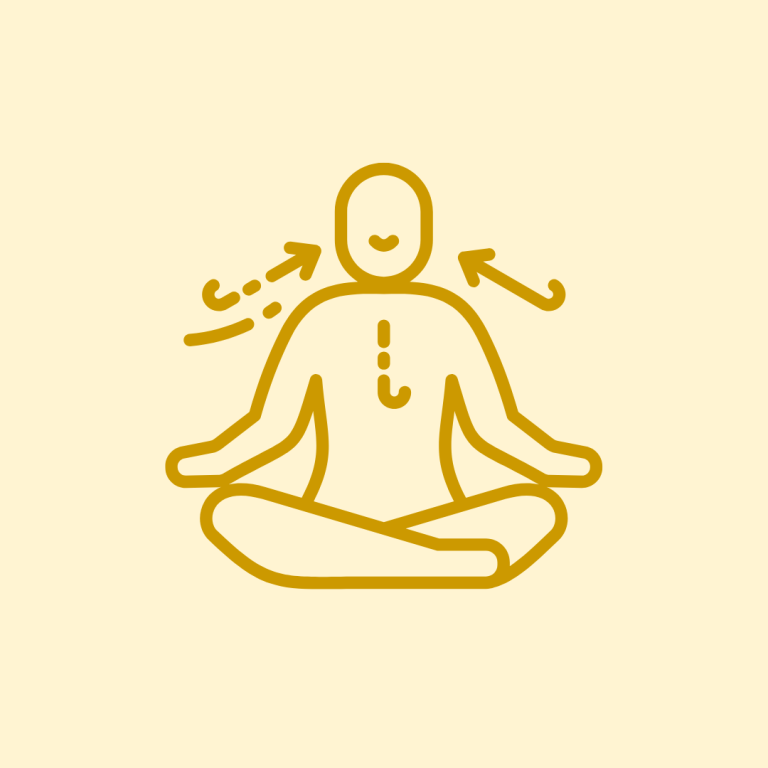
Practise emotional regulation anywhere
Simple techniques can help regulate emotions and restore calm throughout the day.
You may find the following helpful:
- Slow breathing: inhale for four seconds, hold for two seconds, and exhale for six seconds
- Writing down intrusive thoughts to reduce mental clutter
- Practising gratitude by identifying three things that remain stable or positive
Regular regulation practices can support emotional balance even during demanding periods.
A reminder to the community
Experiencing stress during periods of change is normal. The goal is not to eliminate stress entirely, but to remain balanced, connected, and able to navigate daily responsibilities.
If stress becomes overwhelming or begins affecting your sleep, appetite, or daily functioning, support is available. You can contact the Student Success Centre ssc@curtindubai.ac.ae or Counselling Services counselling@curtindubai.ac.ae at Curtin University Dubai.
Support remains available, and the team is here to assist you with care and guidance.
Written by Professor Anitha Menon, Head of School – Psychology