
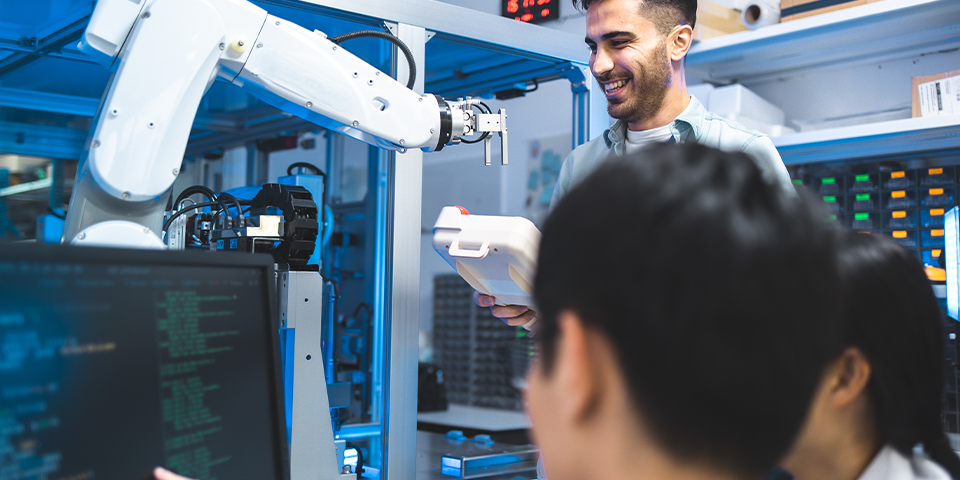
A machine can reveal signs of failure long before it stops working. A change in vibration, temperature, or pressure may indicate that something is wrong. Today, artificial intelligence can interpret these signals and help engineers address potential issues before they become serious.
This is one example of how the role of the mechanical engineer is evolving. Artificial intelligence, machine learning, robotics, digital manufacturing, advanced materials, and renewable energy are transforming how products and systems are designed, manufactured, operated, and maintained.
Engineering in the age of AI
Modern society demands systems that are intelligent, energy-efficient, and sustainable.
Predictive maintenance uses AI to analyse equipment data and identify signs of potential failure. Engineers can respond earlier, improve safety, reduce interruptions, and extend the working life of machinery.
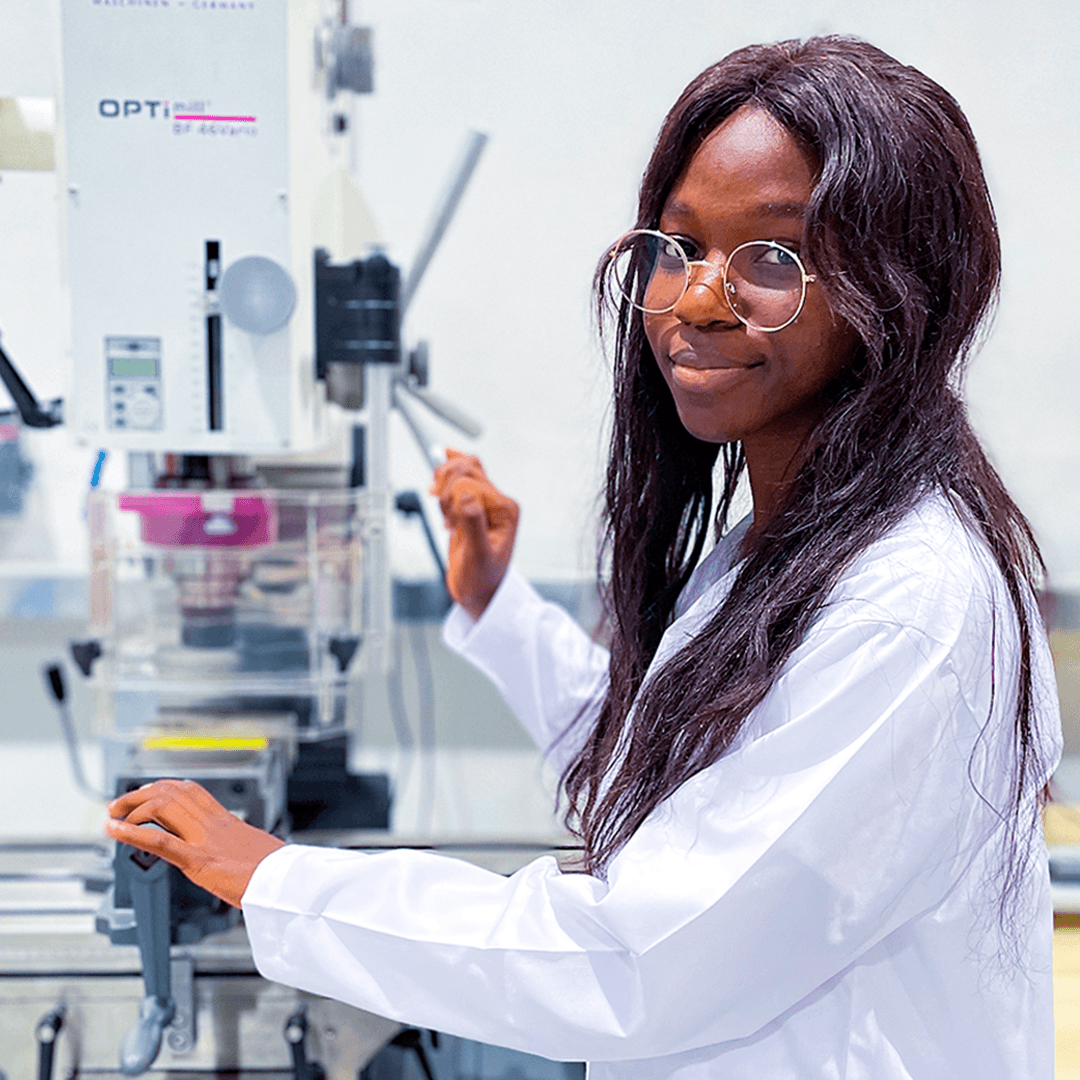
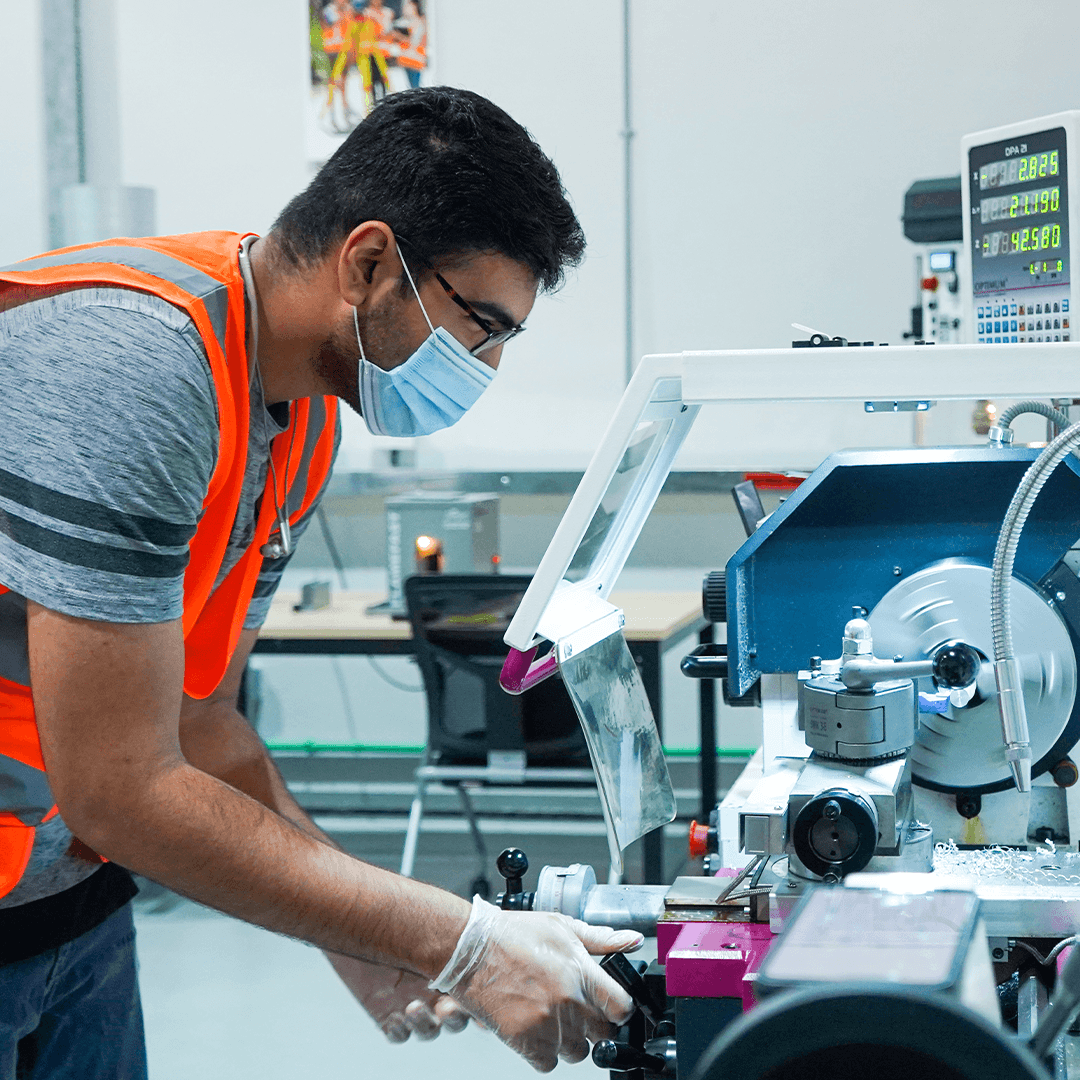
Advanced simulation tools are changing the design process too. Engineers can test and optimise a product digitally, study how it responds to heat or pressure, and refine its performance before building a physical prototype.
Across smart factories, robotics and automated systems support greater precision, consistency, and efficiency. These technologies expand the ways engineers apply established principles of motion, materials, and energy.
Designing for sustainability
Every engineering system has a lifecycle. Materials must be sourced, components manufactured, energy consumed, and products eventually repaired, reused, recycled, or replaced.
Sustainable design considers this lifecycle from the earliest stages. A lighter vehicle may consume less energy. An efficient cooling system may reduce a building’s electricity use. A component designed for repair may remain operational for longer.
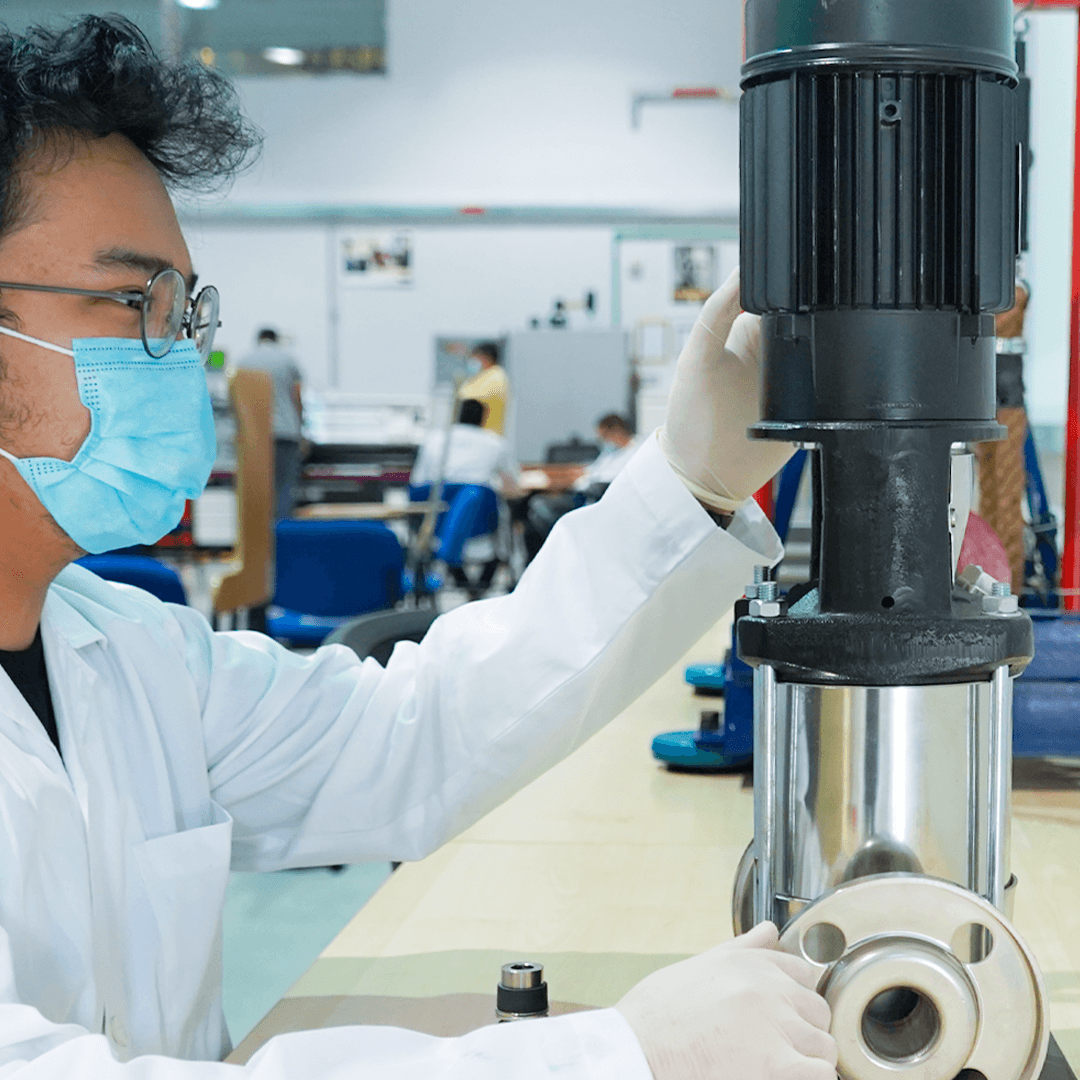
Mechanical engineers draw on their knowledge of thermodynamics, fluid mechanics, energy conversion, and materials to improve performance while reducing environmental impact. Their work supports progress in renewable energy, cleaner transport, efficient manufacturing, and sustainable building systems.
Preparing for a changing profession
The engineers of the future will combine strong engineering fundamentals with digital technologies, creativity, and an understanding of sustainability. They will use data to guide decisions, simulation to test ideas, and emerging technologies to improve the systems people rely on.
At Curtin University Dubai, the Bachelor of Engineering (Honours) in Mechanical Engineering develops the technical knowledge students need to understand these advances and contribute to a changing profession.
As machinery becomes increasingly sophisticated, engineers will remain central to solving complex challenges, improving systems, and turning visionary concepts into practical solutions.
Students interested in taking part in this evolving field can continue the conversation at an upcoming Open Day, where they can learn more about the program, meet the academics, and receive guidance on their study options.
Written by Professor Chithirai Pon Selvan, Head of School – Science and Engineering